

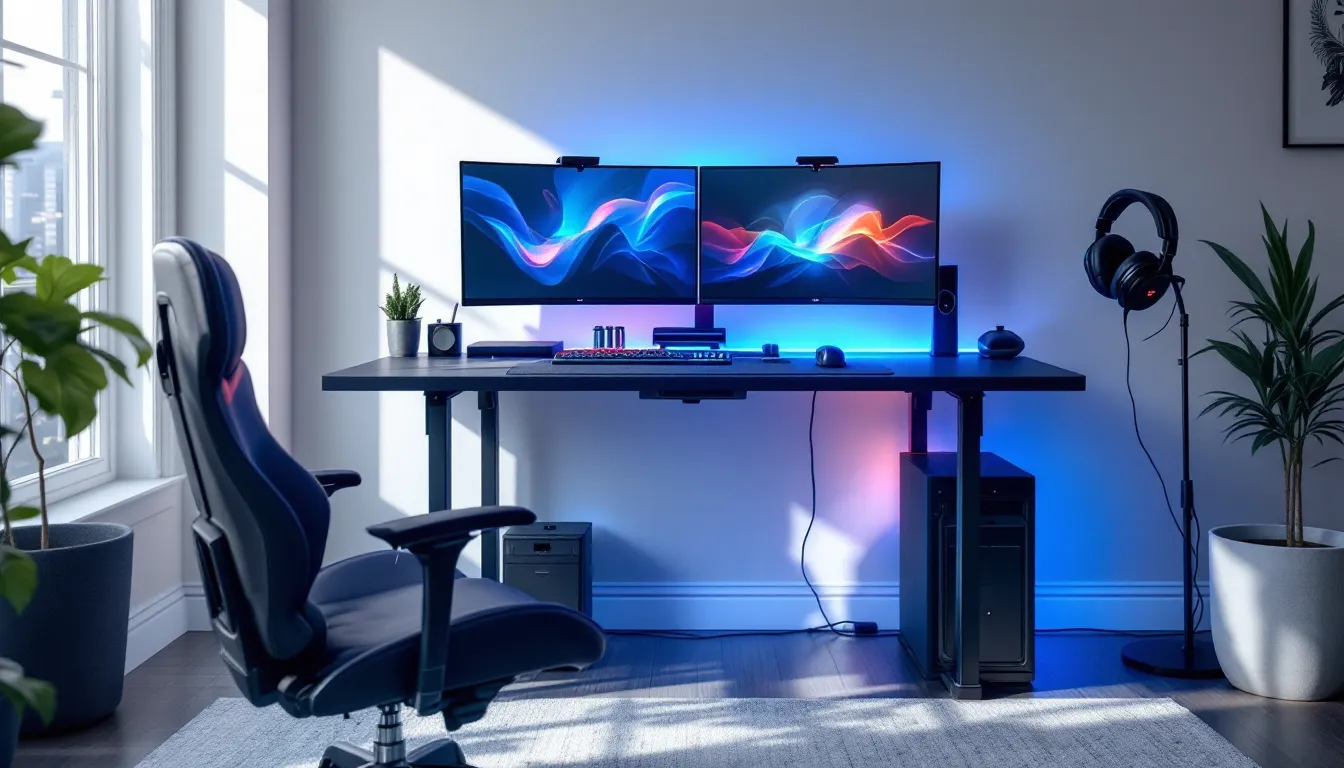
Finding the right gaming desk can transform your entire setup. Sure, performance comes from your rig, peripherals, and skill, but the foundation of every great battlestation starts with where you plant your gear. A blue gaming desk isn’t just about matching your favorite color: it’s a deliberate choice that affects everything from room aesthetics to your mental game during marathon sessions.
Blue desks have surged in popularity over the past two years, and it’s not hard to see why. They offer a striking visual identity that stands out from the sea of black and RGB everything. Whether you’re building a streaming setup, competitive corner, or casual gaming space, choosing the right blue desk involves more than picking the prettiest option on Amazon. You need to consider size, build quality, ergonomics, and how it fits into your broader setup.
This guide breaks down everything you need to know about blue gaming desks in 2026, from why blue works so well in gaming spaces to specific features that separate budget options from premium builds. Let’s immerse.
Key Takeaways
- A blue gaming desk provides both aesthetic and psychological benefits, promoting focus while reducing stress and mental fatigue during long gaming sessions.
- Size and depth matter critically—a 60″ wide by 28″ deep desk accommodates dual monitors and peripherals comfortably while preventing eye strain compared to shallower alternatives.
- Mid-range blue gaming desks ($200-$500) offer the best value, with sturdy steel frames, quality materials, and ergonomic features that outperform budget options and justify the investment over premium models for most gamers.
- Built-in cable management systems like grommets, rear channels, and trays are essential features that separate professional setups from cluttered ones and save hours of frustrating cable organization.
- Weight capacity and build material are critical purchasing factors—prioritize desks with 150+ lb capacity and solid steel frames with engineered wood tops over particle board to prevent sagging under typical gaming equipment loads.
- When buying a blue gaming desk, measure your space thoroughly, verify return policies and warranty support, and check recent buyer reviews rather than relying solely on marketing photos, as quality can vary between production runs.
Why Choose a Blue Gaming Desk for Your Setup?
Picking a desk color might seem superficial, but it actually plays a bigger role in your gaming environment than most people realize. Blue isn’t just aesthetically pleasing, it brings functional and psychological benefits that can enhance your space.
Aesthetic Appeal and Room Compatibility
Blue is one of the most versatile colors for gaming setups. It pairs naturally with both warm and cool lighting schemes, making it easier to integrate into existing room designs without a complete overhaul. Unlike pure black desks that can feel heavy and absorb light, or white desks that show every smudge, blue strikes a balance.
The shade matters, though. Navy and dark blue tones complement industrial or minimalist aesthetics, working well with exposed brick, concrete, or neutral walls. Lighter blues, like sky or powder blue, fit better in modern, airy spaces with plenty of natural light. Mid-tone blues are the sweet spot for most gamers, offering enough contrast to make peripherals pop without overwhelming the room.
Blue also photographs and streams exceptionally well. If you’re creating content or streaming on Twitch, YouTube, or TikTok, a blue desk provides visual interest without competing with your RGB lighting or on-screen overlays. It creates depth in frame without the flatness of black or the clinical feel of white.
Psychological Benefits of Blue in Gaming Spaces
Color psychology isn’t pseudoscience, environmental design studies consistently show that blue promotes focus and reduces stress. For gamers, this translates to better concentration during clutch moments and less mental fatigue during long sessions.
Blue tones have been shown to lower heart rate and create a calming atmosphere, which is particularly valuable for competitive players who need to manage tilt and maintain composure. Unlike red or orange (which can increase aggression and anxiety), blue encourages a steady, focused mental state.
That said, balance matters. Pairing a blue desk with complementary colors, like white, gray, or even strategic pops of orange or yellow in your peripherals, keeps the space from feeling too cold or sterile. The goal is a setup that energizes you for gameplay without overstimulating your senses.
Key Features to Look for in a Blue Gaming Desk
Not all blue desks are created equal. Once you’ve decided on color, it’s time to evaluate the features that actually impact your daily gaming experience. Here’s what separates solid choices from regrettable purchases.
Size and Space Considerations
Desk size is non-negotiable, get this wrong and everything else is compromised. Standard gaming desks range from 48″ to 72″ wide, with depth between 24″ and 30″.
For most setups, a 60″ wide by 28″ deep desk is the sweet spot. This accommodates a dual-monitor setup, a full-size keyboard, mouse mat, and leaves room for speakers or other peripherals without feeling cramped. If you’re running triple monitors or ultrawide displays above 34″, consider bumping up to at least 66″ or looking at L-shaped configurations.
Depth matters more than people think. A 24″ deep desk forces your monitors closer to your face, which causes eye strain during extended sessions. The extra 4-6 inches in a 28-30″ desk makes a noticeable difference in comfort, especially if you’re using larger monitors (27″ or above).
Measure your space before you buy. Leave at least 6-8 inches of clearance on each side for cable routing and airflow. If your PC sits on the desk, factor that into your calculations, a mid-tower case is typically 18-20″ tall and 8-9″ wide.
Material Quality and Build Durability
Material determines longevity and stability. The most common options are:
- MDF (Medium-Density Fiberboard): Budget-friendly and holds paint/finishes well, but can sag under heavy loads (30+ lbs) over time. Fine for single-monitor setups with minimal equipment.
- Particle Board: Avoid unless you’re on an extreme budget. Weak structural integrity and prone to damage from moisture or weight.
- Solid Wood: Premium option with excellent durability. Resists sagging and handles heavy gaming rigs, multiple monitors, and accessories without issue. Typically seen in desks above $400.
- Steel Frame with Composite Top: The most common in mid-range gaming desks ($200-500). Combines sturdy metal legs/frame with MDF or engineered wood tops. Good weight capacity (100+ lbs) when properly braced.
Check the weight capacity specs. A quality gaming desk should handle at least 100 lbs comfortably. If you plan to mount monitor arms, add speakers, or place your PC on the desk, look for 150+ lb capacity.
The finish matters for blue desks specifically. Powder-coated steel and UV-resistant paint prevent fading and chipping. Cheaper desks use basic spray paint that wears quickly, especially around edges and high-contact areas.
Cable Management Systems
Cable management separates amateur setups from clean battlestations. Look for desks with built-in cable routing solutions:
- Cable grommets: Holes (usually 2-3 inches diameter) cut into the desk surface with rubber or plastic inserts. Allows cables to drop through to management trays below.
- Rear cable channels: Horizontal cutouts along the back edge of the desk for routing cables behind monitors.
- Undersurface cable trays: Metal or plastic baskets that attach underneath the desk to hold power strips and excess cable length.
- Velcro straps or clips: Adhesive or screw-mounted hooks that secure cables along the desk legs or underside.
Ideally, your blue desk should have at least two cable grommets and either a full-length tray or multiple mounting points for aftermarket solutions. Without these, you’ll spend hours zip-tying cables to legs and fighting the visual mess.
Ergonomic Design and Adjustability
Ergonomics directly impact performance and health. Standard desk height is 28-30 inches, which works for most people between 5’7″ and 6’2″ when paired with an adjustable chair. Outside that range, you’ll want adjustability.
Height-adjustable desks (standing desks) have dropped significantly in price over the past few years. In 2026, you can find motorized blue gaming desks with memory presets for under $400. The ability to switch between sitting and standing during long gaming sessions reduces lower back strain and keeps circulation moving.
If a standing desk is outside your budget, at least verify the desk height matches your ergonomic needs. When seated, your elbows should be at 90-100 degrees with hands on your keyboard, and your monitor eye-line should be at or slightly below the top third of the screen.
Some blue desks include contoured or cut-out edges that allow you to sit closer to the desk. This reduces shoulder strain by minimizing reach distance to your mouse and keyboard, a real advantage for competitive FPS or MOBA players who use low sensitivity settings.
Types of Blue Gaming Desks Available
Blue gaming desks come in multiple configurations, each optimized for different space constraints and usage patterns. Here’s how to identify which type fits your needs.
L-Shaped Blue Gaming Desks
L-shaped desks maximize corner space and provide two distinct work zones. The typical configuration offers a main surface (48-60″) and a perpendicular return (36-48″), creating around 10-15 square feet of usable desktop.
These work best for multi-purpose setups: gaming on one side, productivity/streaming controls on the other. If you stream regularly, an L-desk lets you separate your gaming monitors from your chat/OBS monitoring screens without cramping your mouse space.
The downside? They require significant floor space, usually a minimum of 5’x5′ to function properly. They’re also harder to move and typically ship in multiple boxes requiring more assembly time (60-90 minutes average).
Best for: Streamers, content creators, gamers who also use their space for work or productivity. Players running 3+ monitors or extensive peripheral collections.
Standing and Adjustable Height Blue Desks
Electric height-adjustable desks have become mainstream in gaming. Most models adjust from roughly 28″ to 48″ at the press of a button, with dual-motor systems providing smooth, stable transitions even under load.
In 2026, expect these features in quality standing blue gaming desks:
- Memory presets: Save 2-4 height positions for instant adjustment
- Anti-collision sensors: Stops movement if the desk encounters resistance
- Weight capacity: 150-200 lbs minimum for gaming setups
- Stability: Less than 0.5″ of wobble at max height during typing/gaming
The health benefits are legitimate, alternating between sitting and standing improves circulation, reduces back pain, and can boost focus during key moments. Many competitive gaming setups now incorporate standing options for warmups or between matches.
Downside: Price and weight. Quality electric standing desks start around $350-400 for blue models and can weigh 80+ lbs, making them difficult to move or relocate.
Best for: Gamers concerned with long-term health, players with back issues, anyone spending 4+ hours daily at their desk.
Compact and Corner Blue Gaming Desks
Not everyone has space for a 60″ battlestation. Compact gaming desks (40-48″ wide) and corner-specific models offer blue options without dominating small rooms or apartments.
Corner desks differ from L-shaped models, they’re designed to fit snugly into a 90-degree corner with curved or angled fronts. Surface area is smaller (typically 30-40″ of usable width at the widest point), but they maximize awkward corner spaces that would otherwise go unused.
Compact desks sacrifice multi-monitor capability and peripheral space but work fine for single-monitor gaming, laptops, or minimalist setups. Many budget blue gaming desks fall into this category, with simple rectangular designs between 42-48″ wide.
Best for: Small apartments, dorm rooms, secondary gaming stations, or minimalist setups with single monitors and compact peripherals.
RGB-Integrated Blue Gaming Desks
The newest trend in gaming desks combines the physical desk color with integrated RGB lighting systems. These blue desks feature LED strips along edges, underneath surfaces, or within built-in cable channels, controlled via remote or app.
Most systems offer 16+ million color combinations, syncing capabilities with popular RGB ecosystems (Razer Chroma, Corsair iCUE, ASUS Aura), and preset lighting effects that react to audio or on-screen action.
The blue desk base acts as a neutral canvas that makes RGB colors pop more effectively than black or white alternatives. When the LEDs are off, you still have a clean blue aesthetic: flip them on and you’ve got a dynamic light show that complements your peripherals.
Quality varies wildly. Cheap implementations use low-brightness LEDs that look washed out or uneven. Premium models feature individually addressable LEDs with consistent color temperature and brightness across the entire strip.
Best for: Streamers, content creators prioritizing visual impact, gamers who love customization and lighting effects.
Top Blue Gaming Desk Options for Different Budgets
Let’s get specific. Here are realistic options across three price tiers based on 2026 availability and typical market pricing.
Budget-Friendly Blue Gaming Desks Under $200
The sub-$200 category requires compromise, but decent options exist if you prioritize the right features.
Typical specs at this price:
- 40-50″ width, 22-26″ depth
- MDF or particle board construction
- Steel tube legs (often powder-coated or painted blue)
- Basic cable grommets (1-2 maximum)
- Weight capacity: 80-100 lbs
- Assembly time: 30-45 minutes
Brands to consider: Homall, Mr. IRONSTONE, and Foxemart regularly offer blue gaming desks in the $120-180 range. These work for casual gamers with single-monitor setups and minimal peripherals.
What to check: Read reviews specifically about stability and wobble. Budget desks often have weak leg bracing that causes annoying shake during gameplay, especially if you’re an aggressive keyboard user. Look for cross-bracing or reinforced leg connections.
Avoid desks with blue veneers that are simply stickers over particle board. The finish peels within 6-12 months of normal use.
Best budget pick rationale: Prioritize weight capacity and desk depth over width. A sturdy 48″x28″ desk beats a wobbly 55″x24″ desk every time.
Mid-Range Options Between $200-$500
This is the sweet spot for most gamers. You get significantly better materials, actual ergonomic design consideration, and features that matter for daily use.
Typical specs at this price:
- 55-72″ width, 28-30″ depth
- Solid steel frame with quality MDF or engineered wood top
- Multiple cable management solutions (grommets, trays, hooks)
- Weight capacity: 150-200 lbs
- Available in L-shaped or standing desk configurations
- Better finish quality that resists scratching and fading
- Assembly time: 45-75 minutes
Brands to consider: FlexiSpot, Eureka Ergonomic, Arozzi, and CubiCubi all offer blue models with strong reputations in the gaming community. Electric standing desks enter this range at the higher end ($400-500).
At this tier, you can typically customize your PC setup with confidence that your desk will handle dual monitors, a full-size tower, and all the peripherals you need without sagging or instability.
What to check: Verify the motor quality and warranty on standing desks. A 2-year minimum warranty is standard for reputable brands. Check YouTube reviews for real wobble tests, manufacturers lie about stability metrics constantly.
Best mid-range pick rationale: If you’re spending $300+, invest in adjustability (height or configuration) rather than pure aesthetics. RGB lighting and fancy curves are nice, but ergonomics and build quality affect you every single session.
Premium Blue Gaming Desks Above $500
Premium territory brings top-tier materials, advanced features, and longevity measured in years, not months.
Typical specs at this price:
- 60-80″ width, 30″+ depth (or large L-shaped configurations)
- Solid hardwood, high-grade steel, or tempered glass tops with steel frames
- Advanced cable management with full-length trays and integrated channels
- Weight capacity: 200+ lbs
- Electric standing options with 4-memory presets and anti-collision
- RGB integration with app control and ecosystem sync
- Premium finishes with 5+ year warranties
- Assembly: 60-120 minutes (higher complexity)
Brands to consider: Secretlab, Herman Miller (for standing models), Uplift Desk with custom colors, and high-end Eureka Ergonomic models. These desks often feature blue as a premium color option with upcharges.
At this level, you’re also paying for customer service and warranty support. Premium brands actually honor their warranties and offer replacement parts years after purchase.
Many hardware reviewers at Tom’s Hardware emphasize that desk quality is often overlooked when budgeting for gaming setups, but it’s one component you’ll interact with constantly, sometimes worth the premium investment.
What to check: Test customer service before buying. Email support with a question and gauge response time and quality. Premium price should include premium support.
Best premium pick rationale: Only go above $500 if you’re building a permanent setup and plan to use it 20+ hours weekly. For casual gamers or those who move frequently, mid-range offers better value.
How to Style and Accessorize Your Blue Gaming Desk
A blue desk is just the foundation. Here’s how to build a cohesive setup that looks as good as it performs.
Matching Peripherals and Accessories
Color coordination matters more than most gamers want to admit. You don’t need everything to match exactly, that looks forced, but intentional color choices create visual harmony.
Complementary color schemes for blue desks:
- Blue + White + Gray: Clean, modern aesthetic. White peripherals (keyboard, mouse, headset stand) against blue create high contrast without harshness. Gray or silver accents in monitor arms or speakers add depth.
- Blue + Black + Silver: Classic gaming look. Black peripherals ground the blue without overwhelming it. Silver or aluminum accessories (like a metal mouse bungee or monitor stand) provide metallic accents.
- Blue + Orange/Yellow accents: Complementary colors on the color wheel. Small pops of warm tones in RGB settings, desk mats, or cable sleeves create visual interest and prevent the space from feeling cold.
Peripheral recommendations:
Your mouse pad might be the largest single color element after the desk itself. A large desk mat (36″x18″ or bigger) in a complementary shade unifies your peripherals and provides a consistent surface for mouse and keyboard.
Headset stands, controller mounts, and drink coasters are small accessories that add polish. Choose materials that match your desk’s finish, if you have a matte blue desk, matte-finish accessories look more cohesive than glossy ones.
Lighting Options to Complement Blue Aesthetics
Lighting makes or breaks the visual impact of a blue desk. The goal is to highlight your setup without creating glare on monitors or washing out the desk color.
LED strip placement:
- Under-desk bias lighting: Attach LED strips to the underside of the desk, pointing down toward the floor. This creates a floating effect and adds ambient light without screen glare. Blue or white LEDs enhance the desk color: RGB strips let you change moods.
- Behind monitors: Bias lighting behind screens reduces eye strain and creates depth. Set to warm white (3000-4000K) during long gaming sessions to reduce blue light exposure at night.
- Along the back edge: Vertical LED strips or light bars along the rear edge of your desk illuminate the wall behind your setup, adding depth and dimension for streams or photos.
Desktop lamps matter if you need task lighting for reading guides, checking notes, or working. Look for adjustable LED lamps with color temperature control (2700-6500K range). Position them to avoid casting shadows on your keyboard or creating monitor reflections.
Resources like How-To Geek frequently cover optimal lighting setups for gaming spaces, including recommended color temperatures for different times of day and gaming genres.
Organization and Storage Solutions
A clean desk improves focus and aesthetics. Here’s what actually works for keeping blue desks organized:
Monitor arms: Free up 10-15 square inches per monitor by removing stands. Gas-spring arms also enable better ergonomic positioning and easier cleaning.
Cable boxes: Hide power strips and cable excess inside decorative boxes that sit on or under your desk. This prevents the visual clutter of cables snaking everywhere.
Desk drawers or storage units: If your blue desk doesn’t include built-in drawers, consider under-desk filing cabinets or side storage units in matching colors. These hold controllers, cables, manuals, and other gaming accessories that don’t need to live on the desktop.
Pegboards or wall panels: Mount a pegboard section to the wall above or beside your desk for hanging headsets, controllers, or cables. This keeps them accessible without consuming desk space.
Desktop organizers: Small trays or organizers corral items like USB drives, SD cards, lens wipes, and other small accessories that otherwise scatter across your desk.
The key is minimalism, only keep items you use multiple times per week on the actual desktop. Everything else should have a dedicated storage location within arm’s reach but off the primary surface.
Assembly and Maintenance Tips for Blue Gaming Desks
Most gaming desks ship unassembled. Here’s how to put yours together without frustration and keep it looking new.
Step-by-Step Assembly Guide
Desk assembly is straightforward if you follow a logical sequence. Here’s the universal process for most gaming desks:
1. Clear your space and inventory parts (5-10 minutes)
Lay out all components and hardware before starting. Most desks include labeled bags for screws, bolts, and brackets. Missing a single bolt at step 8 sucks when everything’s in a pile.
Verify all parts against the instruction manual. Contact customer service immediately if anything’s missing, don’t wait until mid-assembly.
2. Assemble the frame first (15-25 minutes)
Connect the leg supports and cross-bracing before attaching them to the desktop. This creates a stable base you can flip and attach to the underside of the desk surface.
For standing desks, attach the motor and control box during this phase. Route motor cables through the frame before securing everything, threading cables afterward is near impossible.
3. Attach the frame to the desktop (10-15 minutes)
Flip the desktop upside down on a soft surface (cardboard or blankets to prevent scratching). Position the assembled frame and mark screw holes with a pencil before drilling pilot holes (if needed) or driving screws.
Don’t overtighten screws into MDF or engineered wood, you’ll strip the threads. Snug is sufficient: gorilla-tight damages the material.
4. Install cable management components (10-15 minutes)
Attach cable trays, grommets, and clips while the desk is still inverted. It’s exponentially easier than trying to work underneath once the desk is in position.
5. Flip, position, and level (5-10 minutes)
With a second person if possible (most desks weigh 40-80+ lbs), flip the desk right-side up and move it to its final position. Use a level to check for wobble. Most desks have adjustable feet to compensate for uneven floors, adjust each leg until stable.
6. Install accessories and peripherals (15-30 minutes)
Now add monitor arms, LED strips, cable boxes, and begin routing your setup’s cables through the management system.
Total assembly time: 60-105 minutes for standard desks, up to 120 minutes for complex L-shaped or standing models.
Pro tip: Apply threadlocker to bolts on the frame if your desk uses metal-to-metal connections. This prevents loosening from desk movement or vibration over time.
Cleaning and Care for Blue Surfaces
Blue finishes vary by material, what works on powder-coated steel can damage painted MDF. Here’s how to maintain your desk without causing discoloration or wear.
For painted or powder-coated blue surfaces:
- Weekly dusting: Microfiber cloth (dry or slightly damp) removes dust without scratching.
- Deep cleaning: Mix mild dish soap with warm water. Dampen (don’t soak) a soft cloth and wipe down the surface. Immediately dry with a clean towel to prevent water spots.
- Avoid: Abrasive cleaners, ammonia-based products, or anything with bleach. These strip paint and cause discoloration.
For blue laminate or veneer surfaces:
- Follow the same process as painted surfaces, but be extra cautious around edges where laminate meets the substrate. Water intrusion causes peeling and bubbling.
- Use furniture polish sparingly (once monthly) to maintain shine and create a protective layer.
For tempered glass blue desks (rare but available):
- Glass cleaner and microfiber cloths prevent streaks.
- Avoid placing extremely hot items directly on glass, use coasters or mats.
Preventing damage:
- Use a large desk mat to protect high-traffic areas under your keyboard and mouse from wear.
- Coasters for drinks, condensation and spills are the enemy.
- Cable routing that doesn’t drag across edges prevents scratching and paint wear.
- Keep the desk away from direct sunlight if possible. UV exposure fades paint over months/years.
Touching up scratches:
For minor scratches on painted blue desks, find a matching paint pen or small bottle of acrylic paint. Clean the area, apply a thin layer, let dry, and seal with clear coat if the desk originally had a glossy finish. This won’t be invisible but significantly improves appearance.
Where to Buy Blue Gaming Desks in 2026
Knowing where to shop affects pricing, selection, and return policies. Here are the best options for finding blue gaming desks this year.
Amazon: The obvious choice for selection and convenience. Hundreds of blue gaming desk options across all price points, with Prime shipping on most models. The review system helps filter quality, but watch for fake reviews, look for verified purchases with photos.
Pros: Fast shipping, easy returns (usually 30 days), massive selection, competitive pricing.
Cons: Inconsistent quality control, assembly instructions often poor, customer service is hit-or-miss for third-party sellers.
Manufacturer direct websites: Brands like FlexiSpot, Secretlab, Uplift Desk, and Eureka Ergonomic sell directly to consumers. Prices are often competitive with Amazon, and you get better customer support and warranty service.
Pros: Best warranty support, sometimes exclusive color options, occasional direct-sale discounts, easier parts replacement if needed.
Cons: Slower shipping than Amazon Prime, less flexible return policies (restocking fees common), limited ability to comparison shop.
Big-box retailers (Best Buy, Target, Walmart): Limited blue gaming desk selection, but what they carry is typically reliable mid-range options. The ability to see and touch before buying is valuable.
Pros: In-person inspection before purchase, local returns if something’s wrong, occasional in-store clearance deals.
Cons: Limited selection, rarely the best prices, staff knowledge about gaming desks is minimal.
Office furniture specialists (Staples, Office Depot): Surprisingly decent for gaming desks in 2026. Many traditional office furniture retailers have added gaming-focused product lines, including blue options.
Pros: Quality often better than Amazon budget options, extended warranties available, delivery and assembly services offered.
Cons: Higher prices, less “gamer aesthetic” options, slower to stock trendy colors like blue.
When to buy: Black Friday and Cyber Monday remain the best times for gaming desk deals, with discounts typically 15-30% off regular prices. Prime Day (mid-July) and back-to-school sales (August) are secondary opportunities. New model releases happen in Q1 (January-March), so previous year’s inventory goes on clearance in late December and early January.
Common Mistakes to Avoid When Buying a Blue Gaming Desk
Gamers make predictable mistakes when desk shopping. Here’s what to avoid.
Prioritizing aesthetics over dimensions: A gorgeous blue desk that doesn’t fit your space or monitor setup is useless. Measure twice, buy once. Factor in room for your chair to roll backward, clearance for cable routing, and space to access your PC if it sits on or under the desk.
Ignoring weight capacity: Modern gaming setups are heavy. A 27″ monitor weighs 10-15 lbs, your PC tower is 20-35 lbs, speakers add another 10 lbs, plus peripherals and accessories. If you’re anywhere near the desk’s stated weight capacity with just your basic setup, it will sag within 6-12 months. Always buy a desk rated for at least 1.5x your actual expected load.
Assuming all blue is the same: Blue gaming desks range from light sky blue to dark navy, with some featuring blue frames but different color tops. Always check product images carefully, marketing photos often oversaturate colors. Read reviews mentioning color accuracy and look for buyer-uploaded photos showing the desk in normal home lighting.
Skipping cable management: Thinking “I’ll figure it out later” is a trap. Desks without built-in cable management require aftermarket solutions that cost extra and never work as well as integrated systems. If a desk lacks grommets, trays, or routing channels, factor another $30-50 into your budget for cable management accessories.
Buying based solely on reviews without checking dates: Gaming desk quality can vary dramatically between production runs, especially for budget brands that change manufacturers frequently. A desk with great reviews from 2024 might be using cheaper materials in 2026. Prioritize recent reviews (last 3-6 months) and look for mentions of quality changes.
Overlooking return policies: Gaming desks are large, heavy items. Return shipping can cost $50-100+ if you need to send it back. Always buy from retailers with free return shipping or local return options. The extra $20-30 you might save buying from a sketchy seller evaporates if you have to pay return shipping on a defective or incompatible desk.
Not planning for cable access: Positioning your desk against a wall looks clean but makes cable management and peripheral swapping difficult. Leave 3-4 inches between your desk and the wall if possible, or buy a desk that allows you to easily tilt it away from the wall for cable access. Consider setups similar to those featured in budget gaming builds where accessibility is crucial for upgrades.
Forgetting about floor protection: If you have hardwood floors or tile, desk legs without padding will scratch and scuff. Most gaming desks include plastic or felt pads, but verify before buying. If not included, grab a pack of felt furniture pads, they cost $5 and save your floors.
Impulse buying during sales: Just because a blue desk is 40% off doesn’t make it the right desk for your needs. Sales will happen again. Make sure the desk actually meets your size, feature, and quality requirements before pulling the trigger based on discount alone.
Conclusion
Choosing a blue gaming desk comes down to matching your space constraints, budget, and functional needs with the right combination of size, features, and build quality. The aesthetic appeal of blue works in most gaming environments, offering a distinct visual identity without the drawbacks of more common colors.
Prioritize desk dimensions and weight capacity over visual features, get the fundamentals right first. Cable management and ergonomic design separate desks you’ll use happily for years from ones you’ll replace within months. Whether you’re building a complete gaming PC setup from scratch or upgrading an existing station, your desk forms the literal foundation of your entire experience.
The blue gaming desk market in 2026 offers more quality options across all price points than ever before. Take the time to evaluate what matters for your specific setup, and you’ll end up with a desk that looks great and supports thousands of hours of gaming without regret.