

Remember those days when gaming meant the gentle sound of a joystick, the glow of a CRT TV, and a few pixelated characters on screen? Ah, the Atari gaming console, the true pioneer of the gaming world. As we dust off our nostalgia-laden memories, it’s time to jump into the fascinating journey of Atari, where it all began and where it stands today. Buckle up as we explore the rise, fall, and revival of this iconic brand, because once you go Atari, you never go back.
Atari Gaming Console
Founded in 1972 by Nolan Bushnell and Ted Dabney, Atari quickly became a household name in the realm of video gaming. We can almost picture the excitement in their office when the first arcade game, Pong, took the world by storm in 1973. Imagine the thrill of watching players battle it out, just controlling a paddle.
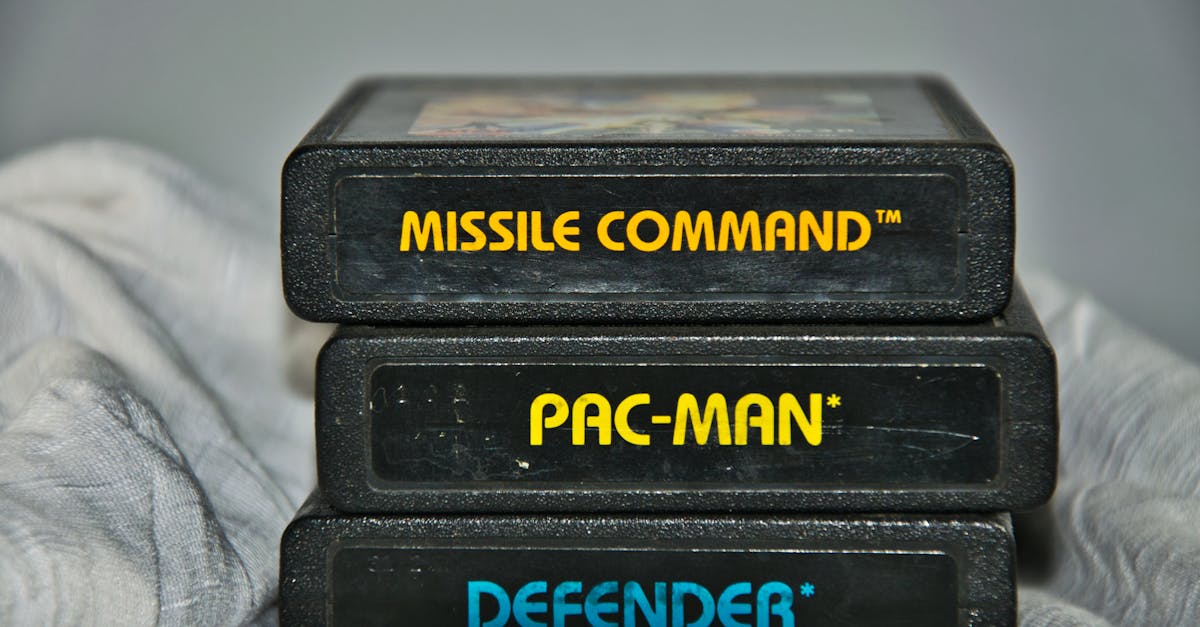
As we trace the timeline, it’s incredible to see how Atari revolutionized entertainment during the 70s and 80s. The Atari 2600, released in 1977, was a game-changer, allowing players to swap cartridges, a concept that was virtually unheard of at that time. Thanks to its innovative design, many of us found ourselves glued to the screen, maneuvering dots and dashes in colorful quest after quest.
But, it wasn’t all rainbows and butterflies. The video game crash of 1983 drastically impacted Atari, leading to the decline of its popularity. Many believed the end of gaming was upon us, but Atari’s legacy continued to underline the industry.
Iconic Games That Shaped Gaming Culture
We can’t reminisce about Atari without acknowledging the iconic games that defined a generation. Titles like Centipede, Asteroids, and Space Invaders didn’t just entertain: they shaped the very culture of gaming as we know it today.
Every gaming enthusiast has their favorite. For us, nothing can quite match the thrill of shooting down spaceships in Space Invaders, or the frantic energy of avoiding the creeping Centipede. Each game brought its own flavor, helping to cement Atari’s role in popular culture.
Atari’s titles dared to be different which inspired countless developers who followed, leading to the diverse gaming landscape we enjoy today. Their impact is undeniable, and many of us still revel in the nostalgia these games breed.
The Evolution of Atari Consoles
As we examine the evolution of Atari consoles, it’s a fascinating story of innovation and adaptation. After the success of the 2600, Atari launched the 5200 and 7800, each iteration showcasing enhanced graphics and sound capabilities. The goal was always to immerse us deeper into the gaming experience.
Fast forward to the late 90s, and Atari hit the reset button. Enter the Atari Jaguar, a console that promised 64-bit graphics long before most competitors. Sadly, it fell short with a lackluster game library, showing us that even giants can stumble.
In more recent years, Atari made a comeback with the Atari Flashback series, giving us the chance to relive those pixelated classics right in our living rooms, reminding us of simpler times.
Atari’s Impact on Modern Gaming
Atari’s influence extends far beyond its console releases. It laid the groundwork for much of today’s gaming infrastructure, inspiring current developers and gaming strategies. The concept of home gaming as we know it owes a great deal to Atari.
Today, we see a plethora of indie games that channel the same spirit of creativity, often favoring pixel graphics reminiscent of classic Atari games. The simplicity coupled with engaging gameplay echoes back to those early adventures, proving that good game design is timeless.
Also, groups dedicated to preserving gaming history often focus on Atari, emphasizing the importance of keeping these memories alive for new generations. After all, how can we truly appreciate modern gaming without acknowledging the giants who paved the way?
Collectibility and Nostalgia in Atari Gaming
Ah, the thrill of hunting for vintage games. For many of us, collecting Atari consoles and games becomes a passionate hobby. It’s not just about possession, but about capturing a piece of history. Prices for rare Atari games can soar, often fetching hundreds or even thousands of dollars at auctions.
Nostalgia fuels this desire. We remember the smell of popcorn, the feel of those chunky controllers, and the insistent beeps and boops of gameplay. Collectors’ communities have flourished, with forums and events dedicated to celebrating and trading our beloved relics. It’s a club that thrives on shared memories and experiences, reminding us all that gaming is as much about community as it is about the games.
The Future of Atari in the Gaming Landscape
Looking ahead, the future of Atari seems to be shimmering with potential. With recent announcements about new consoles and projects, we can’t help but feel a spark of enthusiasm. Atari is working to cater to a modern audience while staying true to its roots.
The potential collaboration with indie game developers is another exciting avenue, working together to bring innovative ideas to the marketplace. As retro gaming continues to rise in popularity, we can only anticipate how Atari will continue to remain relevant in the evolving gaming landscape. Will they launch new titles that honor the classics, or create entirely new franchises? Only time will tell.